top of page


7-9 OCT. 2026
BERLIN
( SPEAKER )
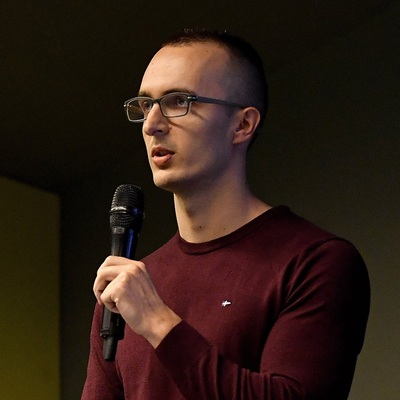
Dean Djermanović
Android Tech Lead & Consultant
( SESSION )
Koog Roundtable: Advancing Kotlin Agent Development
AI agents are starting to move from research prototypes into practical apps—and with Koog, an open-source Kotlin framework for building agents on the JVM, Android developers now have new ways to experiment. But what does it really mean to run an agent on-device, and where does it add value in mobile workflows? In this roundtable, we’ll explore how frameworks like Koog fit into Android development, the opportunities and challenges of connecting agents to LLMs, and what kinds of apps might benefit most from this approach.
Kick-off questions:
> What kinds of use cases make the most sense for AI agents on Android today?
> How do you see frameworks like Koog fitting into the broader Android development ecosystem?
> What are the main challenges in connecting agents to LLMs—latency, cost, privacy, or something else?
> How do on-device constraints (battery, performance, offline use) shape the design of mobile AI agents?
> Do you think agents on Android will become mainstream, or remain a niche for specific applications?
( SESSION )
Building a Weather Agent on Android with Koog
In this session, you will learn the basics of Koog, the new open‑source Kotlin framework for building AI agents on the JVM. I’ll guide you through building a small Android app that uses Koog to ask a language model for weather forecasts and then displays the results. We’ll cover:
- how to add Koog to an Android project setup
- how to write a simple single‑run agent that talks to a weather API
- how to connect the agent to an LLM (like OpenAI or Google Gemini)
- how to show the forecast in a basic Compose UI
No prior experience with Koog is needed. By the end you will have a simple working Android app and code that shows how to build your own agents in Kotlin.
bottom of page